Hwangtae miyeok gonyak soup is a comforting Korean soup built on two classic healing ingredients: hwangtae (wind-dried pollock) and miyeok (seaweed). Both are staples of Korean recovery food — miyeok soup is famously eaten on birthdays and by new mothers, while hwangtae is prized for soothing hangovers and tired bodies after a long night. This version adds konjac (gonyak), a low-calorie, chewy ingredient popular in Korean diet cooking, making the soup filling but light.
The soup gets its deep savory base from a broth simmered with hwangtae, mushroom, and garlic, then thickened slightly with perilla seed powder (deulkkae-garu) and a tofu-doenjang paste that’s blended right into the stock. It’s the kind of soup Koreans make at home on a chilly day when they want something nourishing but not heavy — simple pantry ingredients turned into something with real depth of flavor.
This is a great dish to try if you’re curious about Korean home cooking beyond kimchi jjigae, and it’s naturally gluten-free and easy to make dairy-free as well.
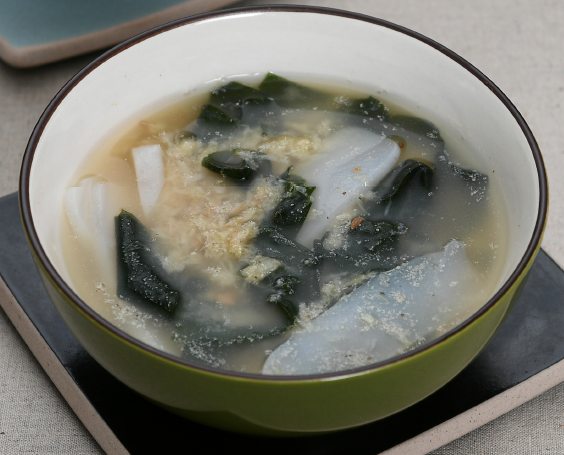
Ingredients
- Dried shredded pollock (hwangtae-chae, 100g)
- Konjac (gonyak, 100g)
- Dried seaweed (miyeok, 20g)
- Perilla seed powder (deulkkae-garu, 20g)
- Tofu (50g)
- Doenjang (Korean soybean paste, 10g)
- Fish sauce (10g)
- Shiitake mushroom (1 piece)
- Garlic (10g)
- Sesame oil (5g)
Instructions
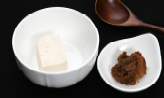
- Mix the doenjang and tofu together evenly.
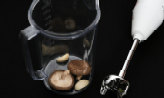
- Grind the shiitake mushroom and garlic together.
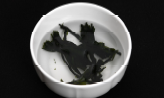
- Soak the dried seaweed in water until fully softened.
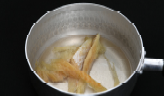
- In a pot, add the shredded dried pollock along with the ground shiitake mushroom and garlic, and simmer gently to make a broth.
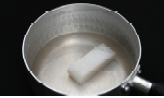
- Slice the konjac into thin flat pieces and blanch it in boiling water.
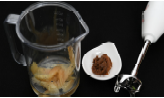
- Remove the pollock from the broth and blend it together with the tofu-doenjang mixture, then pour it back into the broth. Add the seaweed, konjac, and perilla seed powder, simmer for about 20 minutes, and season to taste with fish sauce.
Tips & Variations
Here are some notes to help you make this soup outside Korea:
- Hwangtae-chae (dried shredded pollock) can be found at Korean grocery stores, usually in the dried seafood section. If unavailable, you can substitute with dried anchovies for a similar savory, oceanic base, though the texture will differ.
- Gonyak (konjac) is sold as a block or in pre-cut shapes at Korean or Japanese markets, often labeled “konnyaku.” It has almost no flavor of its own, so don’t skip the blanching step — it removes the slightly rubbery smell.
- Deulkkae-garu (perilla seed powder) adds a nutty richness and slightly thickens the broth. It’s different from sesame seeds, so look for it specifically in a Korean grocery; ground sesame seeds are not a good substitute here.
- Blending the tofu, doenjang, and cooked pollock together before adding it back to the broth gives the soup its creamy, hearty texture — don’t skip this step even though it takes an extra minute with a blender.
- Adjust the final seasoning with fish sauce gradually, tasting as you go, since brands vary in saltiness.
Nutrition
- Calories: 124.9 kcal
- Carbohydrates: 3.2 g
- Protein: 14.3 g
- Fat: 6.1 g
- Sodium: 790.3 mg