Baek kimchi kongbiji jjigae is a mild, comforting stew made from two humble ingredients: baek kimchi (white, non-spicy kimchi) and kongbiji (the soft soybean pulp left over from making tofu or soy milk). Unlike the fiery red kimchi jjigae most people know, this version leans gentle and savory, with a soft, almost porridge-like texture from the soybean pulp mixing into the broth.
This is the kind of stew Korean grandmothers make on a quiet weeknight, especially in colder months, using up leftover baek kimchi and kongbiji bought fresh from a tofu shop. It’s nourishing, low-spice, and easy on the stomach, making it a good choice for kids, older family members, or anyone wanting a break from heavily seasoned food.
It’s also a wonderfully economical dish — just a handful of ingredients, one pot, and about 20 minutes of cooking time, yet it delivers a deeply savory, nutty flavor thanks to the soybean pulp and a quick sauté of the kimchi in sesame oil and garlic.

Ingredients
- Green chili pepper (10g)
- White kimchi/baek kimchi (100g)
- Soybean pulp/kongbiji (100g)
- For the seasoning: Sesame oil (8g)
- Ground black pepper (0.2g)
- Minced garlic (10g)
- Soy sauce (2g)
Instructions
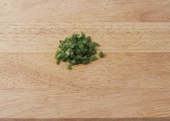
- Finely chop the green chili pepper.
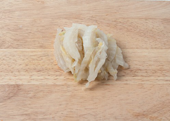
- Cut the white kimchi into bite-sized pieces.
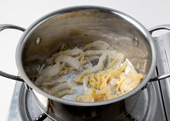
- In a pot, stir-fry the white kimchi; once the kimchi is well cooked, add the sesame oil, ground black pepper, and minced garlic and continue stir-frying.
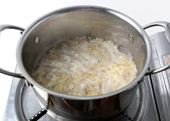
- Add water (200g) and bring to a boil.
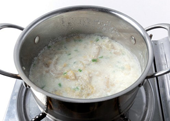
- Once the water is boiling, add the soybean pulp, soy sauce, and chopped green chili pepper, then simmer over low heat for about 15 minutes to finish.
Tips & Variations
Finding kongbiji: Soybean pulp (kongbiji) can be found fresh at Korean grocery stores, sometimes in the refrigerated tofu section. If unavailable, you can use okara (the soy pulp byproduct from making soy milk, sold at some Japanese or health food stores) as a close substitute.
Baek kimchi: If you can’t find baek kimchi (white, non-spicy kimchi) at a Korean market, you can substitute a very mild, young kimchi or even a lightly fermented napa cabbage kimchi with the chili flakes rinsed off, though the flavor will be slightly different.
- Don’t skip stir-frying the kimchi in sesame oil first — this step builds a deeper, nuttier base flavor for the stew.
- Keep the heat low once the soybean pulp goes in; it can scorch on the bottom of the pot if the heat is too high or if you don’t stir occasionally.
- Adjust the amount of soy sauce to taste, as saltiness can vary depending on the kimchi you use.
Nutrition
- Calories: 195.3 kcal
- Carbohydrates: 3.13 g
- Protein: 2.99 g
- Fat: 2.99 g
- Sodium: 447.2 mg